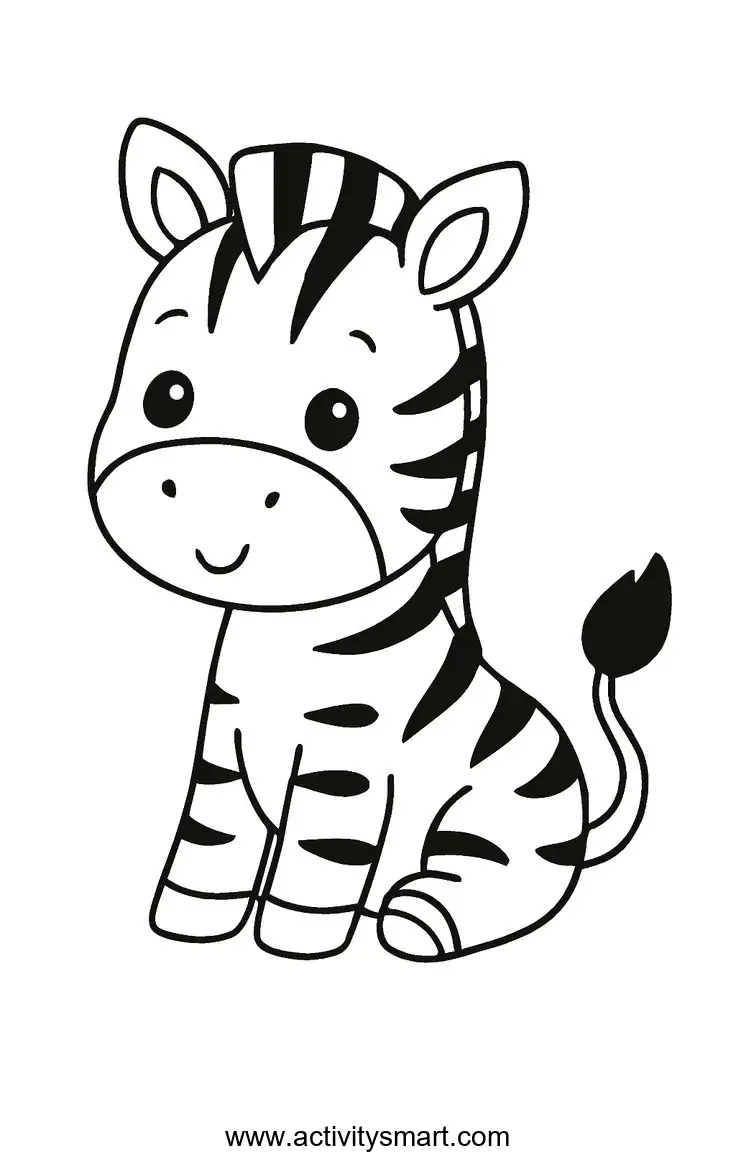
Small Seated Zebra: ready for your colors
This small seated zebra coloring page shows a seated zebra has a short mane, striped body and tufted tail. Save the original image, print it, and explore the picture with the ideas below.
More Coloring Pages
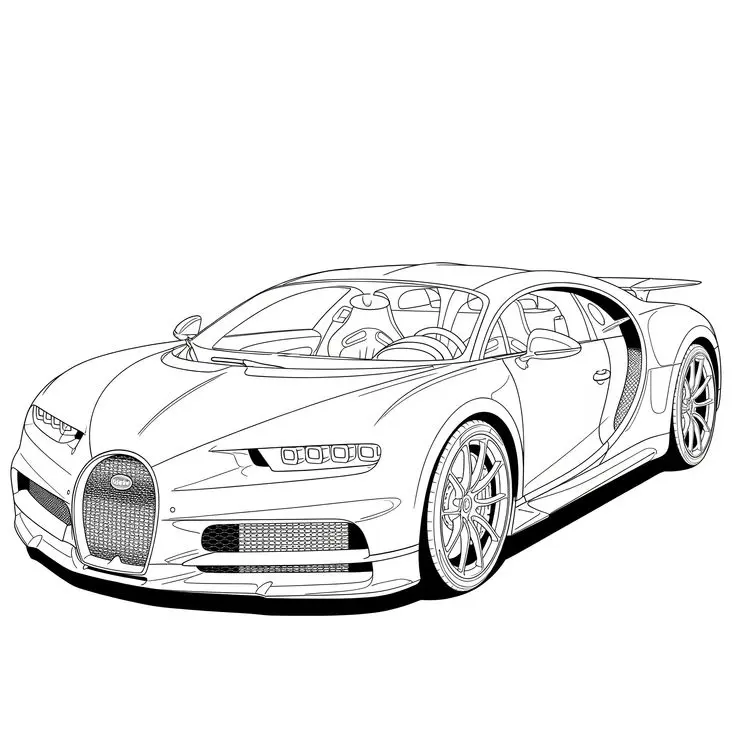
Bugatti Sports Car Coloring Page
Explore a detailed Bugatti sports car coloring page featuring a horseshoe grille, intricate wheels, visible cabin details, and…
View printable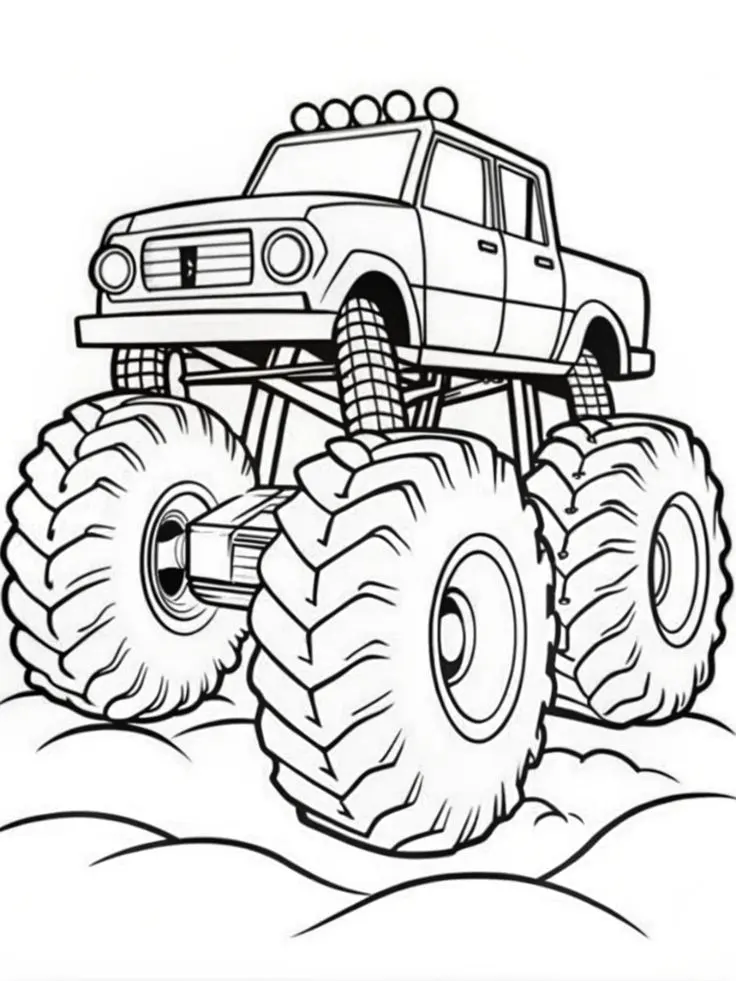
Monster Pickup Truck on Bumpy Ground Coloring Page
Color a towering monster pickup truck with giant treaded tires, exposed suspension, five roof lights, and rounded bumps…
View printable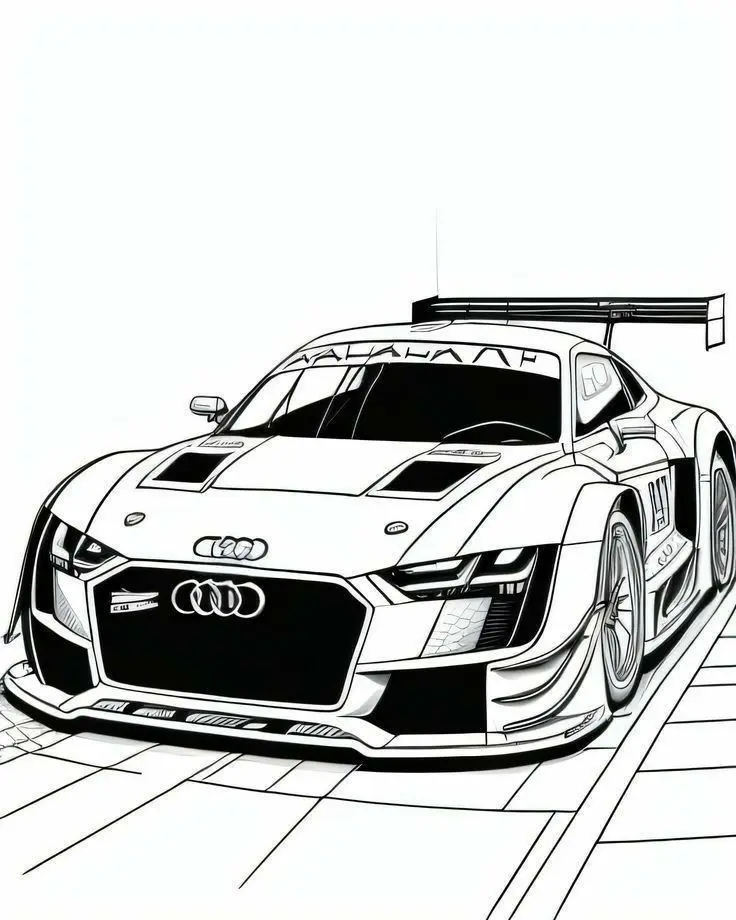
Audi Race Car with Rear Wing Coloring Page
Bring an Audi race car illustration to life with color. Explore its large rear wing, broad front grille,…
View printable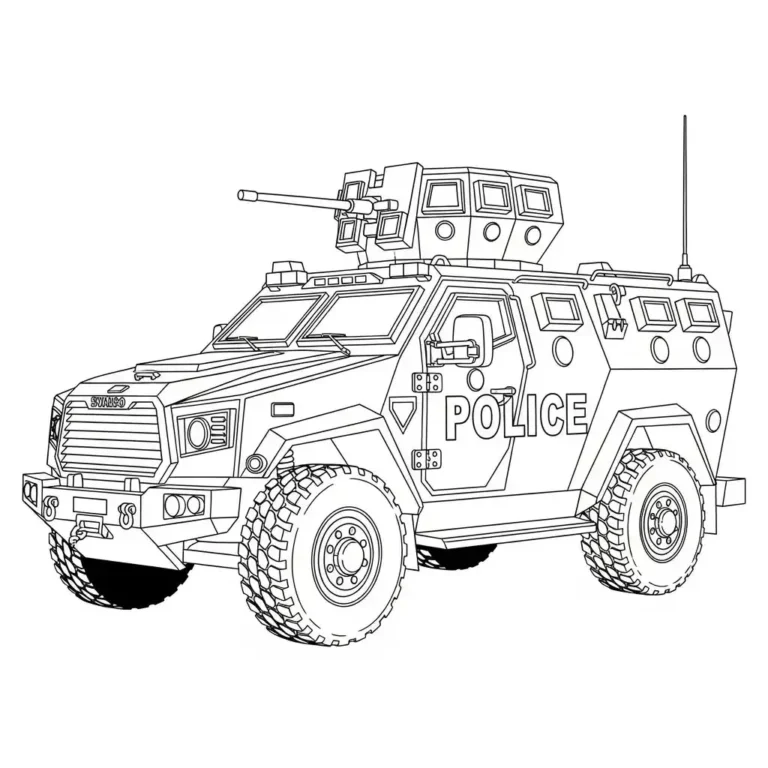
Armored Police Truck Coloring Page
Color a detailed armored police truck with large treaded tires, reinforced windows, a roof-mounted turret, and bold POLICE…
View printable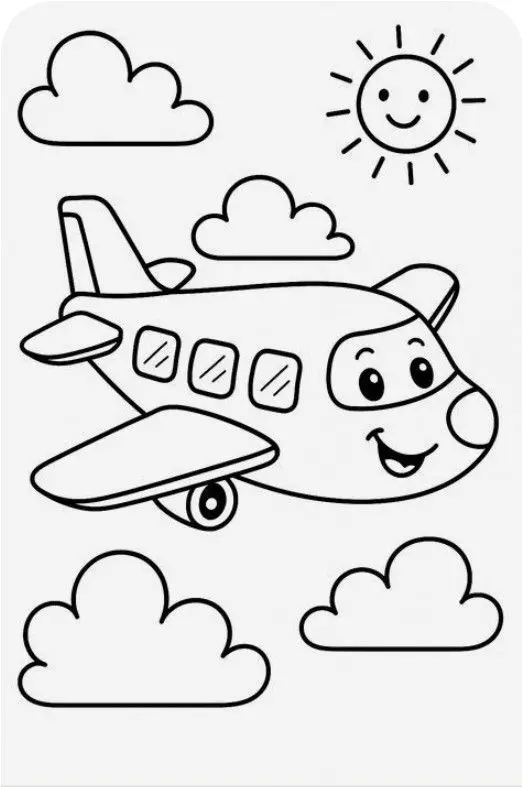
Smiling Airplane with Clouds and Sun Coloring Page
Color a cheerful cartoon airplane flying among four fluffy clouds beneath a smiling sun. Bold outlines and spacious…
View printable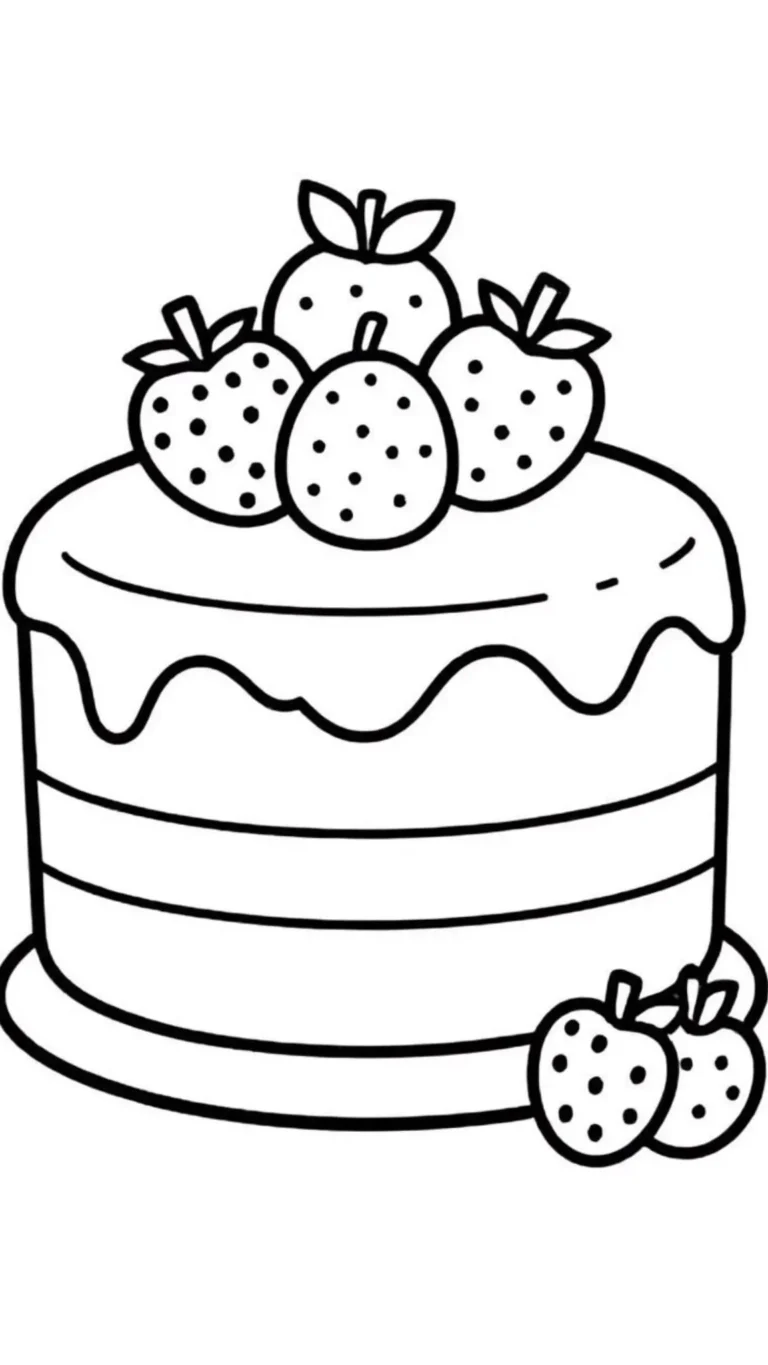
Strawberry Layer Cake Coloring Page
Decorate a strawberry layer cake with your own colors. Thick outlines define the dripping icing, horizontal layers, berry…
View printable
Cute Kitten in a Donut Coloring Page
Color a wide-eyed kitten sitting inside a large iced donut. Sprinkles, tiny paw pads, whiskers, and floating hearts…
View printable
Winged Strawberry Cake Coloring Page
Explore a whimsical cake coloring page with little wings, a smiling face, strawberry and cherry toppings, floating clouds,…
View printableExplore this small seated zebra coloring page
The zebra sits facing forward with upright ears, a short dark mane and a rounded muzzle. Dark stripes cross its head, neck, body and legs, while a curved tail ends in a dark tuft. Its seated pose leaves the front legs visible and gives the character a compact outline.
Look closely at the printed markings before adding color. Some stripes are already filled black, while the spaces between them remain open. The image is a cartoon rather than a guide to the proportions of a real zebra. The website mark at the bottom belongs to the original image and should remain visible.
Four ways to enjoy the picture
1. Choose a palette
Try a classic black-and-white appearance by leaving the open body areas white and adding a little gray around the muzzle. A pink or pale brown touch inside the ears offers a small contrast. Alternatively, choose unexpected colors for the light spaces; a blue-and-purple zebra is a creative interpretation of this character. Compare stripes on the face with those on the body. Follow their directions without coloring over the eyes or smile. A pointed pencil can reach the narrow spaces near the mane, while a crayon can cover a broader area. Work lightly at first so the outlines remain clear.
2. Color the details
Play a looking game: ask someone to point to the mane, muzzle, tail tuft and a stripe on a leg. Then compare a long stripe with a shorter one. Take turns giving clues based on parts actually visible in the drawing, and let the child point rather than answer aloud if preferred.
3. Look closely
Trace the curve of the tail in the air and compare it with the straighter edges of a front leg. On spare paper, draw a few stripes inspired by the illustration, making some wide and some narrow. This separate pattern can become a border for displaying the finished page.
4. Make a story
Invent a short story about where this seated zebra might be going next. A meadow, other animals or a background can be added by the child as imaginary details; they are not shown in the original image. Name the zebra and write a caption on separate paper if desired.
For another animal with a visible pattern, try the long-necked giraffe. Compare its patches with the zebra’s stripes and decide whether to use related or contrasting colors.
Save and print the original image
Select Download Coloring Image to access the original WebP. Depending on your browser, the file may open instead of downloading. If that happens, use the browser’s save-image option. You can also open the full-size image directly and print it using the browser’s print command if the site print button is unavailable or a popup is blocked.
Choose portrait orientation and A4 or US Letter paper in the print dialog. Select fit to page and preserve the image proportions instead of stretching it to fill the sheet. Check the entire preview, including any source marks at the bottom. Printer margins vary, so the white space around the picture may differ between devices.
The original measures 736 × 1174 pixels. Enlarging it beyond its available resolution can make the lines softer; a smaller print may look sharper. A single test copy can help you decide on the scale before printing more. Standard printer paper is an option for crayons and colored pencils, provided it is supported by your printer.
For small outlined spaces, use a pointed colored pencil and light pressure. Crayons can cover broader regions. Markers may bleed through thin paper, so try them on a spare sheet and protect the surface underneath. A child does not have to finish every part in one sitting; choose a favorite detail and return later if they wish.
Find a different subject in the coloring pages collection. Compare the size and arrangement of the subjects before choosing your next page.
Questions about this picture
What does the image show?
A seated zebra has a short mane, striped body and tufted tail.
What file will I receive?
The original is a WebP image measuring 736 × 1174 pixels, not a PDF.
How can I print the whole picture?
Choose portrait orientation and fit to page on A4 or US Letter paper. Check the preview and retain the original proportions and source marks.
Which coloring tools can I use?
Crayons work for larger spaces and colored pencils offer control in smaller areas. Test markers on spare paper and protect the surface underneath.