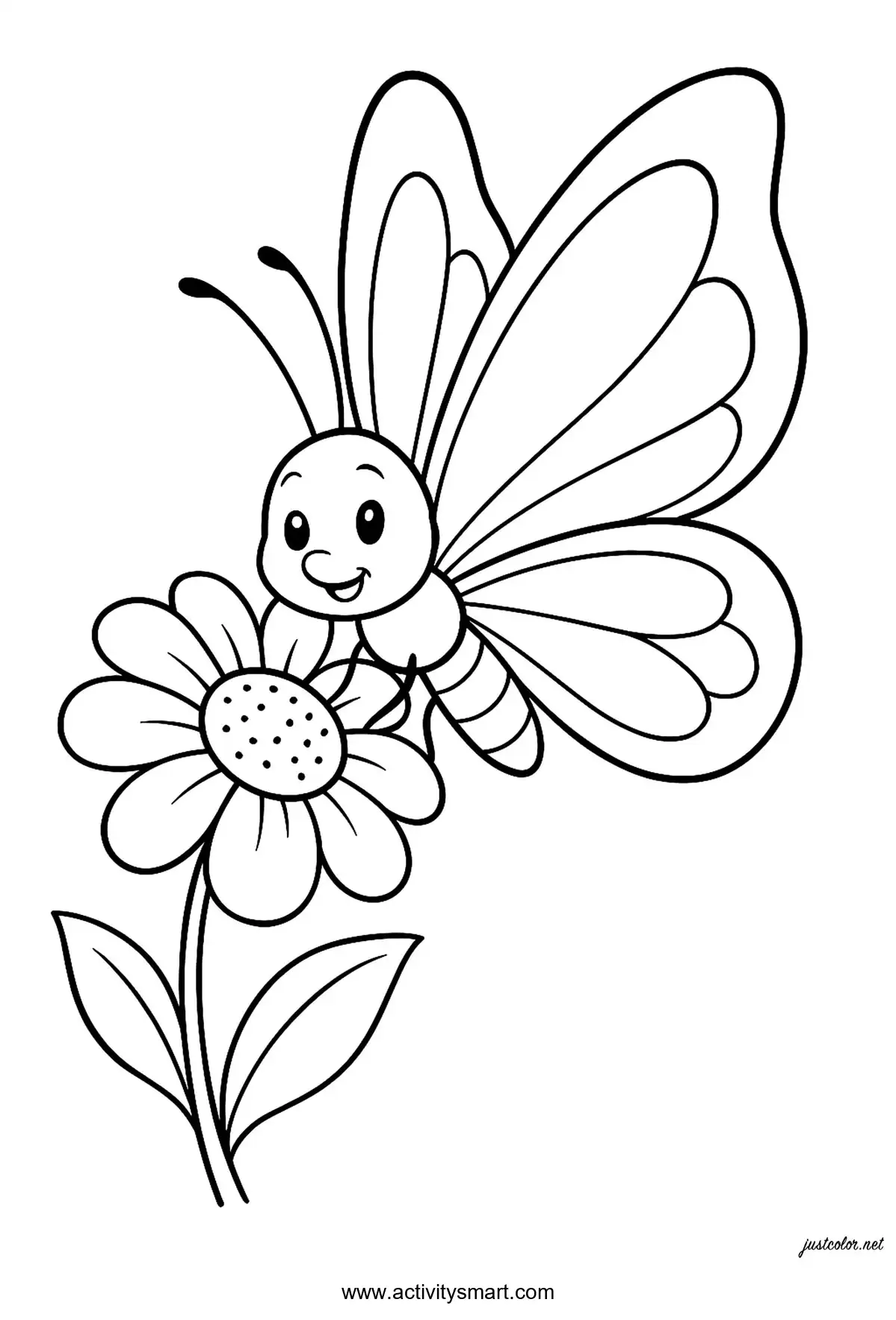
Butterfly on a Flower: ready for your colors
This butterfly on a flower coloring page shows a smiling butterfly with patterned wings rests beside an open flower with leaves. Save the original image, print it, and explore the picture with the ideas below.
More Coloring Pages
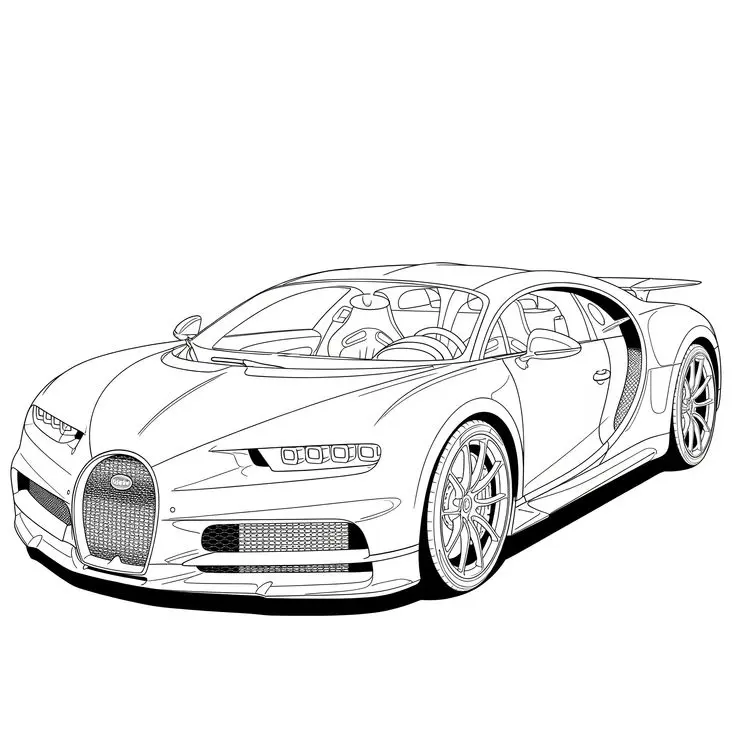
Bugatti Sports Car Coloring Page
Explore a detailed Bugatti sports car coloring page featuring a horseshoe grille, intricate wheels, visible cabin details, and…
View printable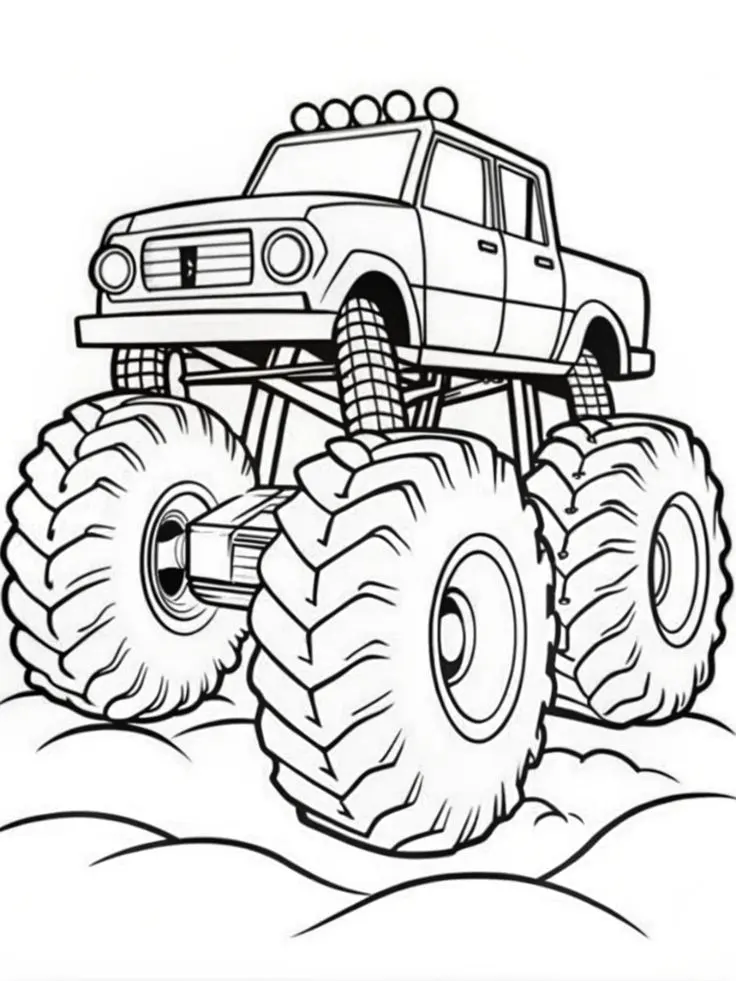
Monster Pickup Truck on Bumpy Ground Coloring Page
Color a towering monster pickup truck with giant treaded tires, exposed suspension, five roof lights, and rounded bumps…
View printable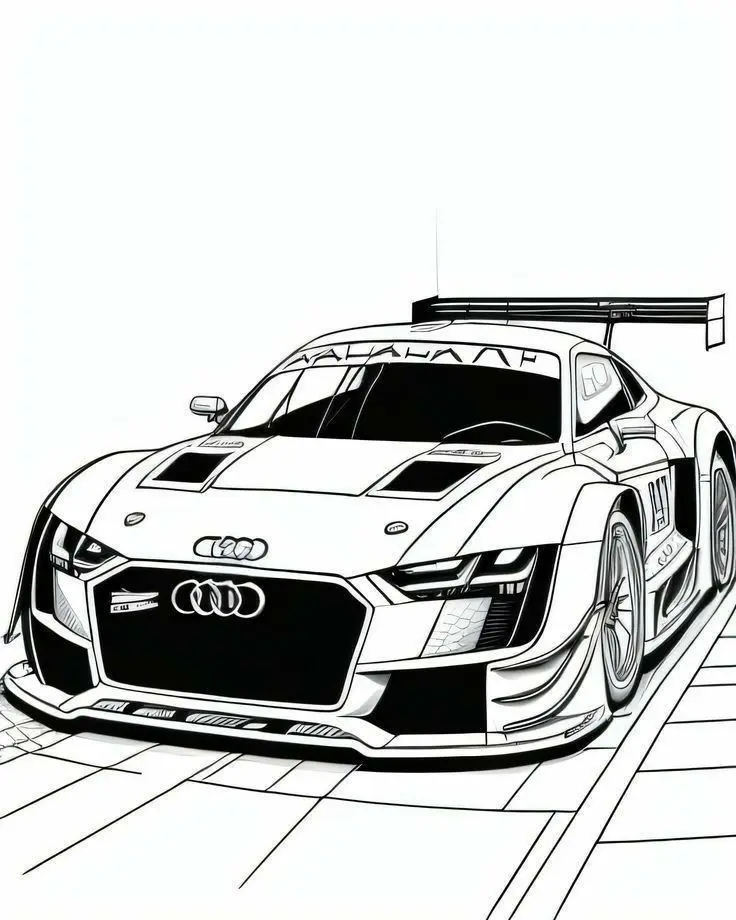
Audi Race Car with Rear Wing Coloring Page
Bring an Audi race car illustration to life with color. Explore its large rear wing, broad front grille,…
View printable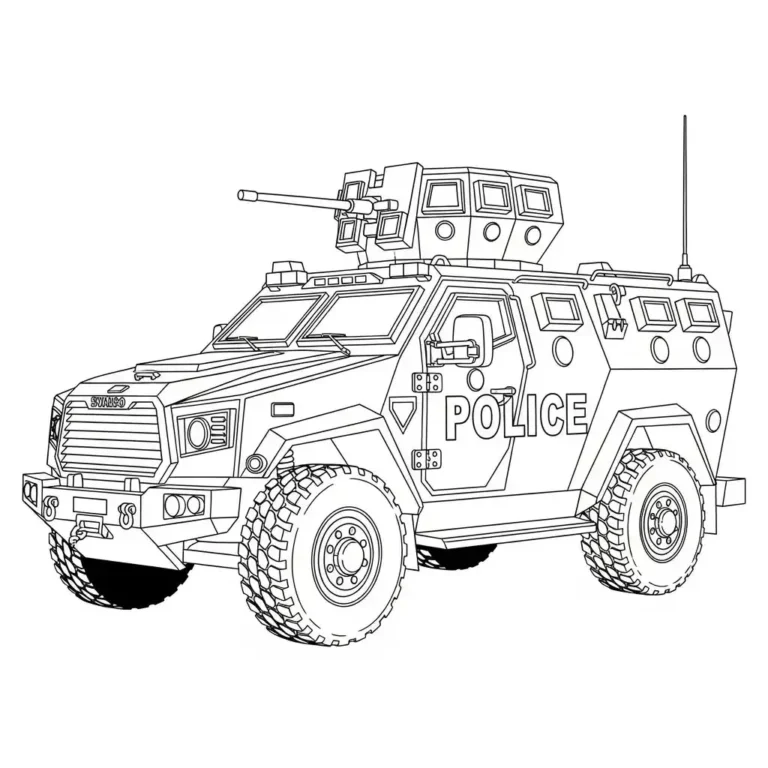
Armored Police Truck Coloring Page
Color a detailed armored police truck with large treaded tires, reinforced windows, a roof-mounted turret, and bold POLICE…
View printable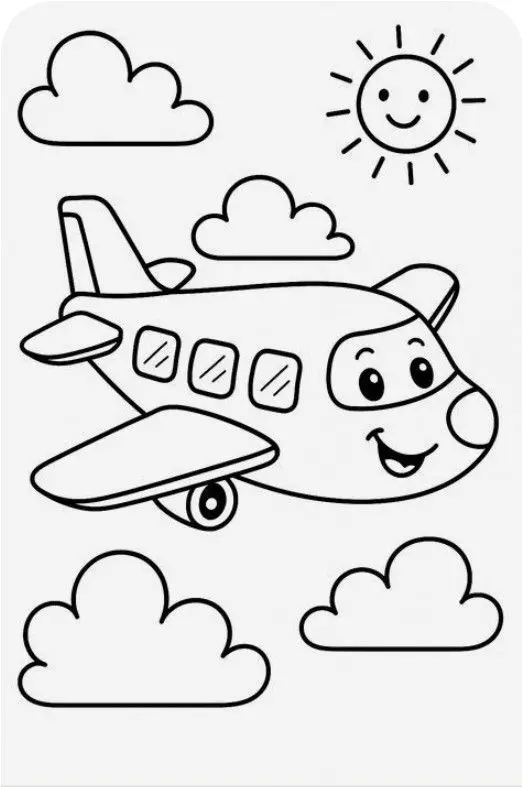
Smiling Airplane with Clouds and Sun Coloring Page
Color a cheerful cartoon airplane flying among four fluffy clouds beneath a smiling sun. Bold outlines and spacious…
View printable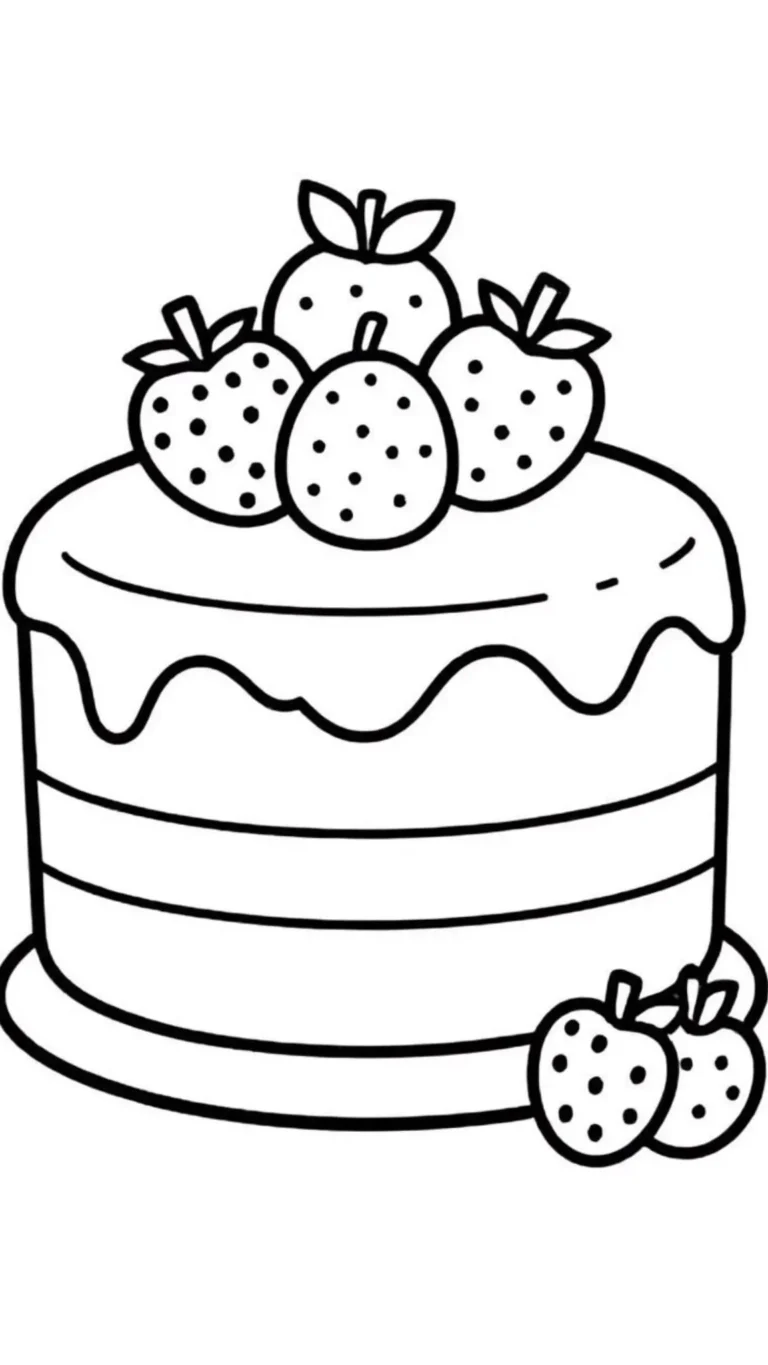
Strawberry Layer Cake Coloring Page
Decorate a strawberry layer cake with your own colors. Thick outlines define the dripping icing, horizontal layers, berry…
View printable
Cute Kitten in a Donut Coloring Page
Color a wide-eyed kitten sitting inside a large iced donut. Sprinkles, tiny paw pads, whiskers, and floating hearts…
View printable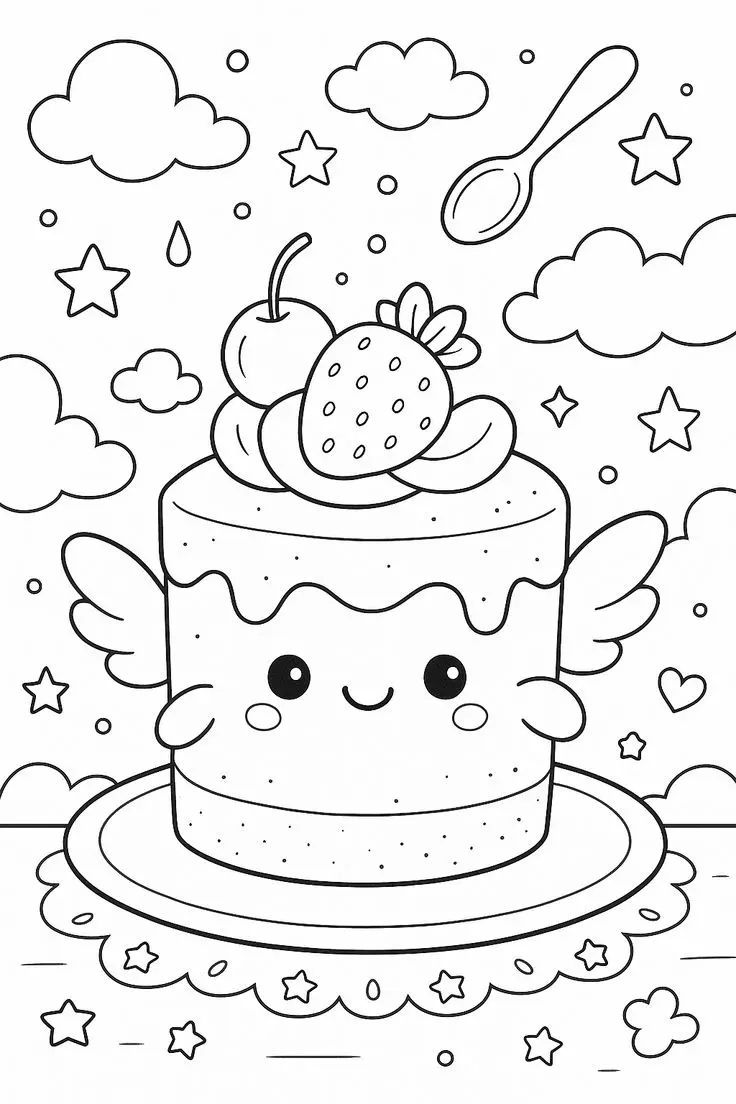
Winged Strawberry Cake Coloring Page
Explore a whimsical cake coloring page with little wings, a smiling face, strawberry and cherry toppings, floating clouds,…
View printableExplore this butterfly on a flower coloring page
The butterfly has a smiling face, slender antennae and large wings divided into long outlined sections. It sits beside an open flower with a dotted center and rounded petals. A stem and pointed leaves extend below the bloom. The image includes small source marks near its lower edge; keep them visible when printing.
Look at the wings before choosing colors. Their long curved sections create spaces that can be filled separately, while the flower offers a different collection of rounded shapes. The illustration is a friendly cartoon, so a child can choose natural-looking colors or invent a completely new butterfly.
Four ways to enjoy the picture
1. Choose a palette
Choose two or three shades for the wings. Color neighboring sections in alternating colors, or use a light pencil on the inner spaces and a deeper shade near the outer outline. The black lines already separate the shapes; gentle strokes let those divisions remain visible. Give the flower its own palette. A yellow center and pink petals make one starting point, but purple, orange or blue petals are equally welcome. Try a lighter and darker green on the leaves. For the dotted center, shade lightly around the dots rather than covering them with a heavy marker.
2. Color the details
Follow one wing section from the butterfly’s body toward its rounded edge, then find another long shape. Compare those curves with the shorter, rounded petals. Invite a child to point to the antennae, the flower center and a leaf. They can describe what they notice without needing to name a species.
3. Look closely
Count the petals by touching each visible one once, moving around the center. Check the drawing together rather than guessing a total. Then choose a leaf and trace its outline in the air. These small observation games can be stopped whenever the child wants to return to coloring.
4. Make a story
Imagine why the butterfly paused beside this flower. Perhaps it is meeting a friend or discovering a favorite color. This is an invented story inspired by the illustration. If the child wants a garden or a sunny sky, those are imaginary details they can add themselves; they are not part of the original scene.
For another picture with a flower, visit the bunny holding a flower. Compare how the bunny holds its bloom with the butterfly beside this one. Choose either image for a second color experiment.
Save and print the original image
Select Download Coloring Image to access the original WebP. Depending on your browser, the file may open instead of downloading. If that happens, use the browser’s save-image option. You can also open the full-size image directly and print it using the browser’s print command if the site print button is unavailable or a popup is blocked.
Choose portrait orientation and A4 or US Letter paper in the print dialog. Select fit to page and preserve the image proportions instead of stretching it to fill the sheet. Check the entire preview, including any source marks at the bottom. Printer margins vary, so the white space around the picture may differ between devices.
The original measures 1199 × 1766 pixels. Enlarging it beyond its available resolution can make the lines softer; a smaller print may look sharper. A single test copy can help you decide on the scale before printing more. Standard printer paper is an option for crayons and colored pencils, provided it is supported by your printer.
For small outlined spaces, use a pointed colored pencil and light pressure. Crayons can cover broader regions. Markers may bleed through thin paper, so try them on a spare sheet and protect the surface underneath. A child does not have to finish every part in one sitting; choose a favorite detail and return later if they wish.
Find a different subject in the coloring pages collection. Compare the size and arrangement of the subjects before choosing your next page.
Questions about this picture
What does the image show?
A smiling butterfly with patterned wings rests beside an open flower with leaves.
What file will I receive?
The original is a WebP image measuring 1199 × 1766 pixels, not a PDF.
How can I print the whole picture?
Choose portrait orientation and fit to page on A4 or US Letter paper. Check the preview and retain the original proportions and source marks.
Which coloring tools can I use?
Crayons work for larger spaces and colored pencils offer control in smaller areas. Test markers on spare paper and protect the surface underneath.