Kangaroo with a Joey: ready for your colors
This kangaroo with a joey coloring page offers a printable image to save or color. A kangaroo sits upright with a pouch and a long tail. Explore the original picture and the activity ideas below.

More Coloring Pages
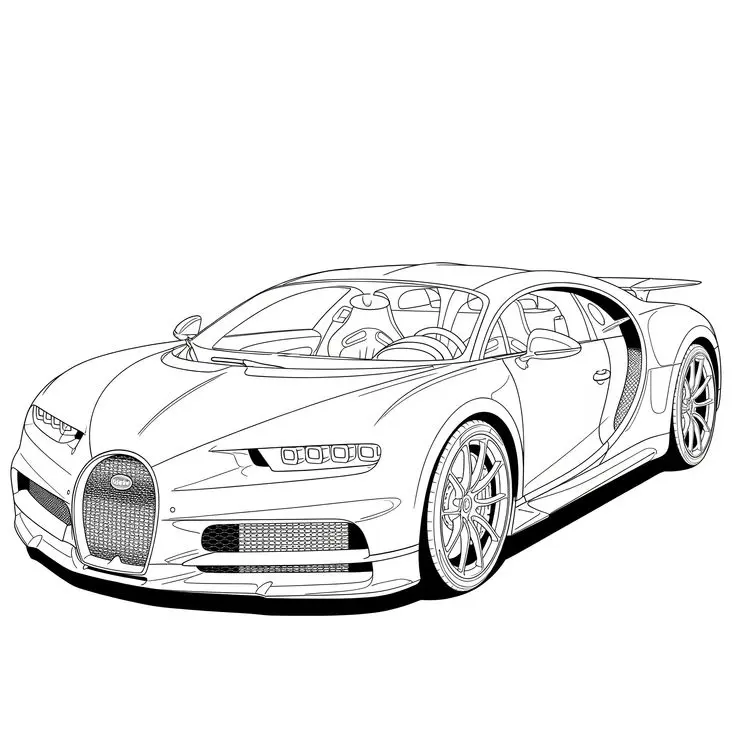
Bugatti Sports Car Coloring Page
Explore a detailed Bugatti sports car coloring page featuring a horseshoe grille, intricate wheels, visible cabin details, and…
View printable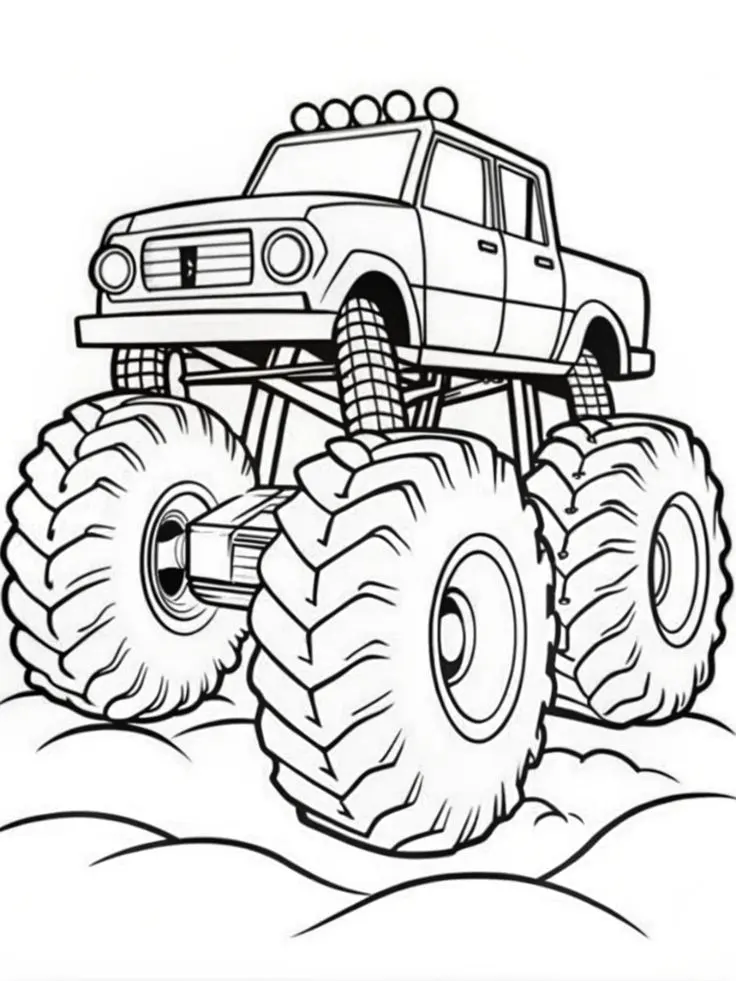
Monster Pickup Truck on Bumpy Ground Coloring Page
Color a towering monster pickup truck with giant treaded tires, exposed suspension, five roof lights, and rounded bumps…
View printable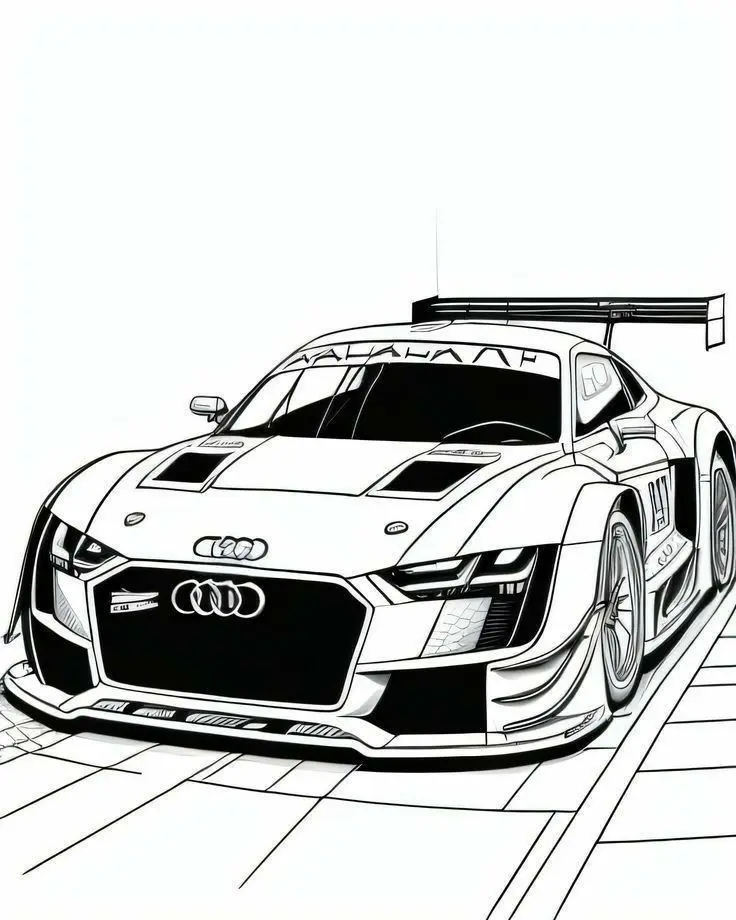
Audi Race Car with Rear Wing Coloring Page
Bring an Audi race car illustration to life with color. Explore its large rear wing, broad front grille,…
View printable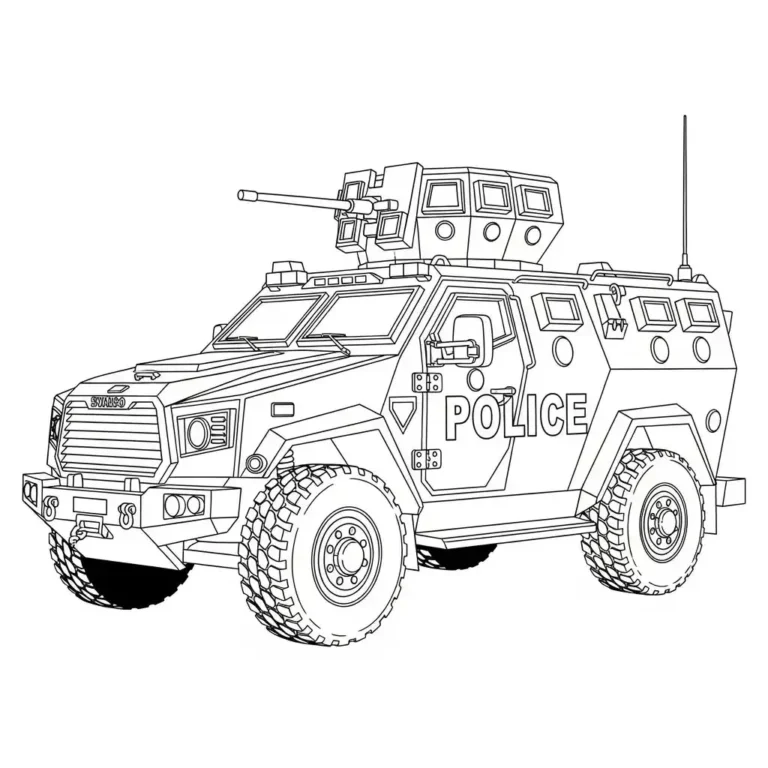
Armored Police Truck Coloring Page
Color a detailed armored police truck with large treaded tires, reinforced windows, a roof-mounted turret, and bold POLICE…
View printable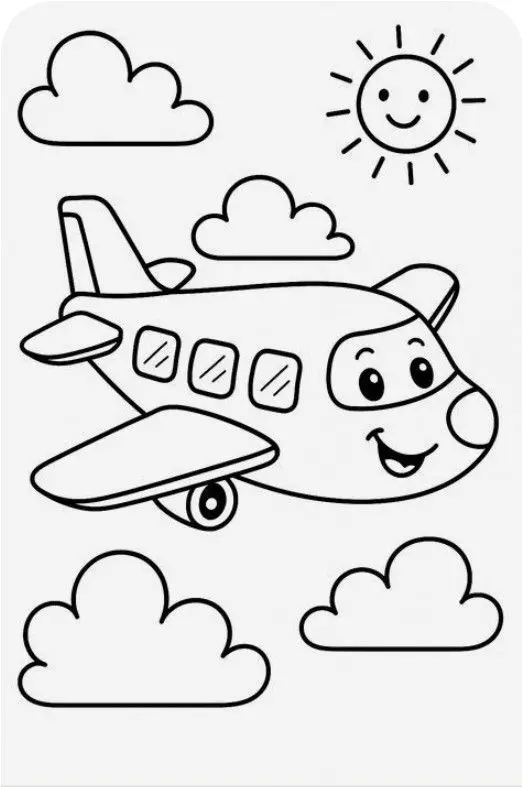
Smiling Airplane with Clouds and Sun Coloring Page
Color a cheerful cartoon airplane flying among four fluffy clouds beneath a smiling sun. Bold outlines and spacious…
View printable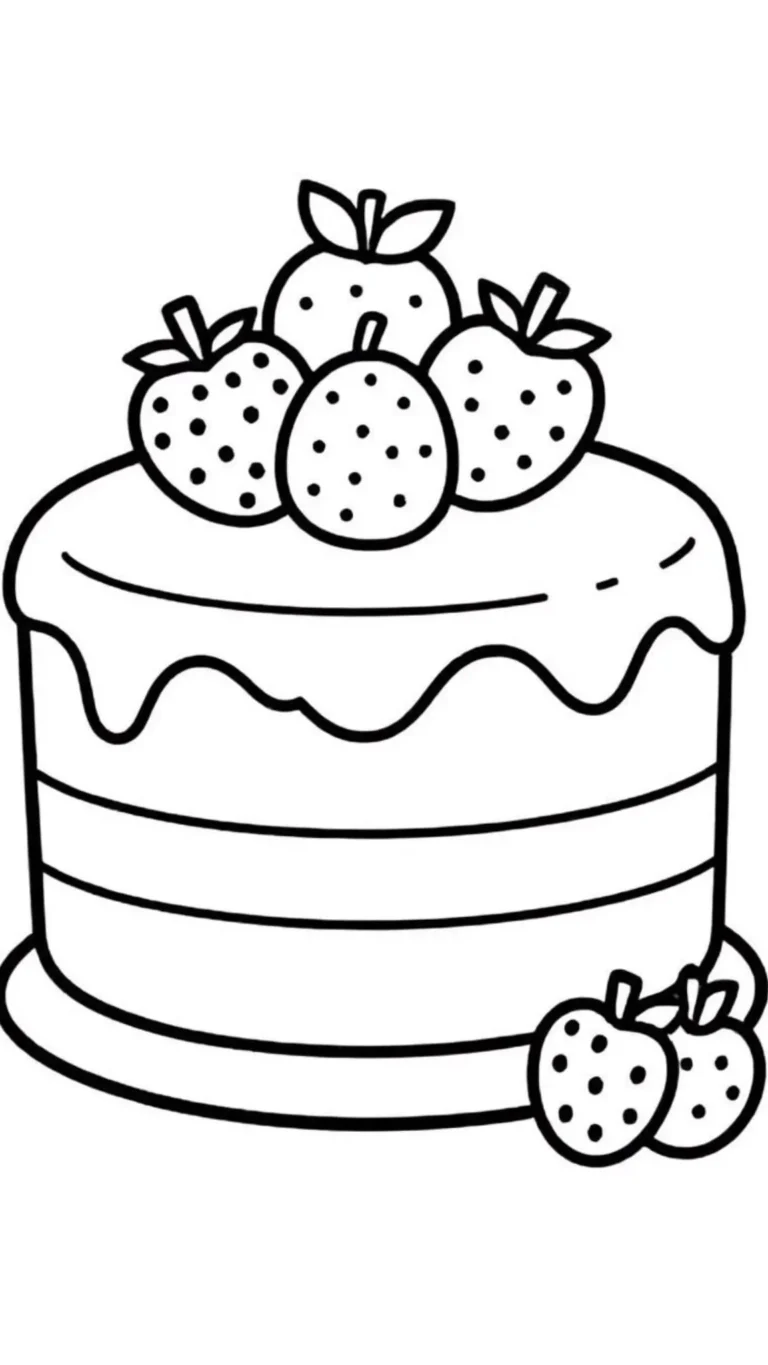
Strawberry Layer Cake Coloring Page
Decorate a strawberry layer cake with your own colors. Thick outlines define the dripping icing, horizontal layers, berry…
View printable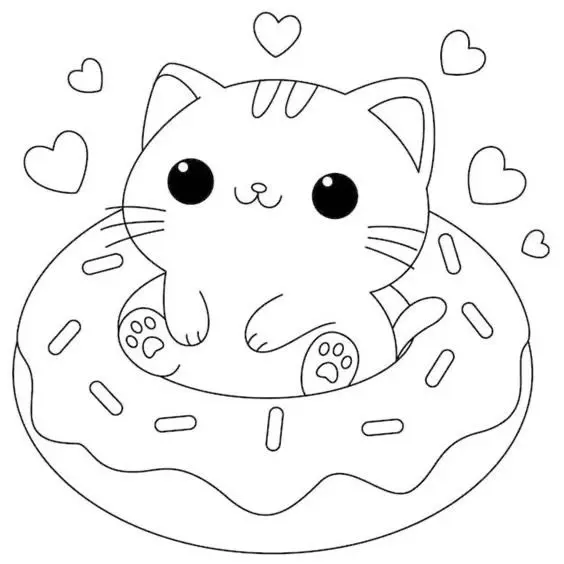
Cute Kitten in a Donut Coloring Page
Color a wide-eyed kitten sitting inside a large iced donut. Sprinkles, tiny paw pads, whiskers, and floating hearts…
View printable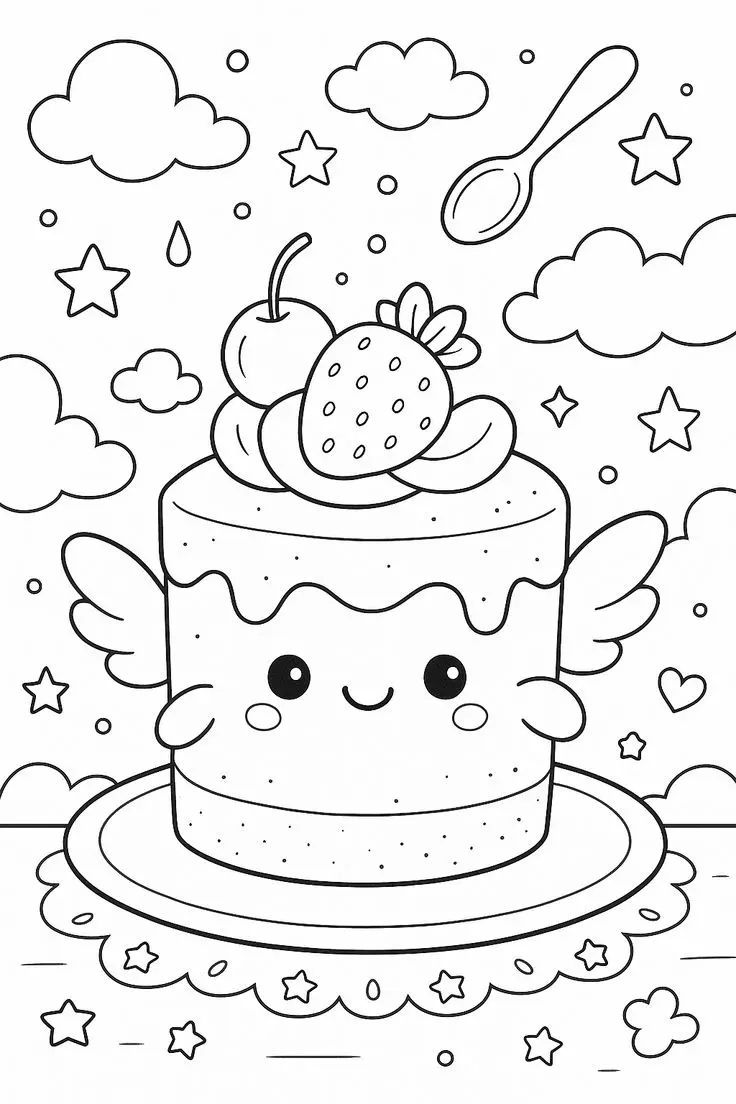
Winged Strawberry Cake Coloring Page
Explore a whimsical cake coloring page with little wings, a smiling face, strawberry and cherry toppings, floating clouds,…
View printableExplore the kangaroo with a joey coloring page
Find the long ears, the large hind feet and the curved tail. Look closely at the pouch: no joey is visible in this particular drawing. The black outlines make each part easy to find before picking a color. Take a moment to look from the top of the drawing to the bottom and decide which area you would like to begin with.
The picture leaves room for personal choices. Look at the long ears and tail, then at the pouch and feet. Which area is broad enough for a crayon, and which might be easier to reach with a pencil? The answer can change depending on the size of the print and the tools available.
There is no required order for this activity. Start with a favorite detail, pause when you wish, and return later. The entire picture does not need to be finished in one sitting. Keep the website name at the bottom visible when printing or adding your own marks.
Four ideas inspired by the picture
1. Plan a small palette
Try sandy brown for the kangaroo and a lighter shade for its belly and pouch. Leave the facial outlines visible by applying color gently. Place a few chosen pencils on the table before starting and try each one on a separate scrap of paper. A light first layer can be deepened later, making it easier to see the original black lines while deciding how the colors work together.
Try pairing a soft shade with a stronger one. The contrast can draw attention to the part of the illustration you like most. If a color looks different on paper than on the pencil, swap it for another; the suggestions here are starting points rather than rules.
2. Look closely at shapes
Compare the shape of each ear with the shape of the long tail. Use two pencil shades to distinguish the inner ears from their outlines and the belly from the body. Move slowly around the outlines and point to the details before coloring them. You can compare a long shape with a rounded one, or look for a small detail beside a larger space. Children can point without needing to name every shape.
Take turns giving clues based on what is actually visible. One person describes a shape or part of the drawing and the other points to it. Then change roles. The game can end whenever the child wants to return to coloring.
3. Experiment with marks
Use a pencil to make a few light strokes in one open area, then try a different direction on scrap paper. Notice how gentle pressure produces a lighter shade than a firmer stroke. Keep small facial details clear, especially around the eyes and mouth, so the expression remains visible.
For a second approach, leave one area white and color the shape beside it. Compare the two results and decide which you prefer. It is fine to use a single color throughout or to combine several; you can stop after one detail and continue another day.
4. Create a story
Imagine what the kangaroo might do next and give it a name. A joey, plants or a landscape would be new details added by the child, rather than parts already shown. Ask what happens first and what happens next. The child can tell the story aloud while an adult writes a short caption on a separate sheet. The imagined events are a way to play with the picture, not facts established by the drawing.
Place the caption beside the finished picture, or keep it with the page for another day. If the child adds a background, leave enough space around the original character and preserve the website mark. A different color selection can give another copy a completely different mood.
Saving and printing your picture
Use Download Coloring Image to access the original WebP. Some browsers open it instead of saving immediately; use the browser’s save-image option in that case. The Print Coloring Page control uses the site’s print tool. If it does not respond, open the full-size image and print directly from your browser.
Select A4 or US Letter paper and portrait orientation. Choose fit to page and keep the original proportions instead of stretching the image. Check the print preview carefully so that the complete picture and website name remain visible. Printer margins differ, so some white space around the illustration is normal.
The original measures 736 × 1051 pixels. Enlarging a digital image cannot add detail and may make lines appear softer. If sharpness matters, try a smaller size and print one test sheet before making further copies. Standard printer paper works with crayons or colored pencils; use only paper supported by your printer.
For markers, test a small mark on spare paper and protect the surface underneath in case ink passes through. Choose materials and the amount of help according to the individual child. For another activity, explore the coloring pages collection or compare this drawing with the farm animals by a barn scene.
Questions about this picture
What file is available?
The original is a WebP image measuring 736 × 1051 pixels. It is not a PDF.
Can I print on A4 or US Letter?
Choose portrait orientation and fit to page, then check the preview to keep the entire image visible without stretching it.
What details can I color?
A kangaroo sits upright with a pouch and a long tail.
Which coloring tools can I use?
Crayons can cover larger areas, while colored pencils offer more control around the long ears and tail. Test markers on spare paper first.